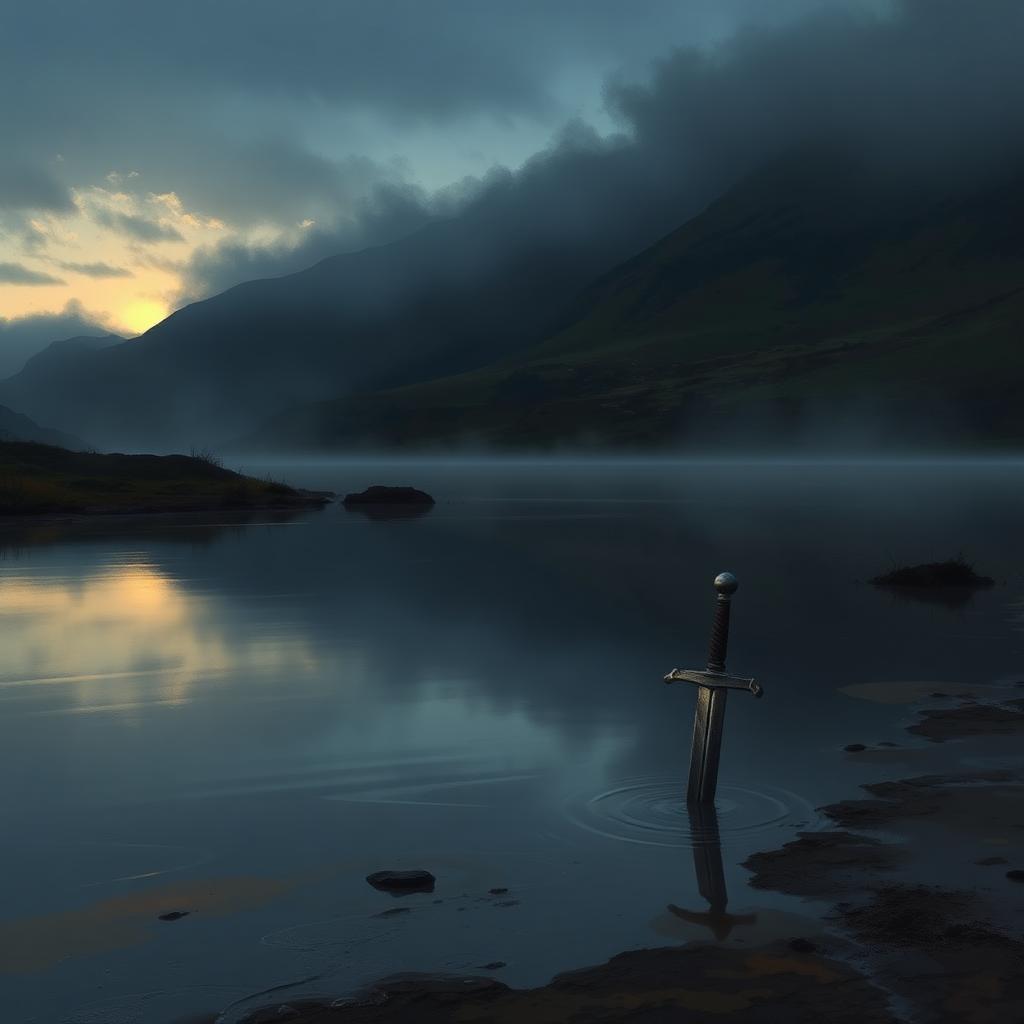
Llyn Cerrig Bach — 'the lake of small stones' — is an unassuming peat-rimmed pool in the south-western corner of Anglesey, on the parish edge of Llanfair-yn-Neubwll. You can drive past it on the way to Holyhead and never know it is there. And yet it is one of the most important Iron Age sites in the whole of Britain.
In 1942, the RAF was extending the runway at Valley airfield. Workmen dragging peat from the bog beside the lake to firm up the new strip kept finding metalwork. A lot of metalwork. Sir Cyril Fox of the National Museum of Wales was called in, and over the following three years more than 150 Iron Age objects were recovered from the mud: swords, spearheads, chariot fittings, horse harness, bronze cauldrons, currency bars, and — most chilling of all — two iron slave chains with neck-rings still attached.
Nothing about this was accidental loss. Many of the swords had been deliberately bent before being thrown in. Spear shafts had been broken. The objects came from all over Britain — Yorkshire, the Cotswolds, southern England — and span at least two centuries from around 200 BC to the Roman conquest. Llyn Cerrig Bach was a sacred deposition site, and the people doing the depositing were almost certainly the druids of Anglesey.
Tacitus, writing about Suetonius Paulinus's assault on Mona in AD 60, describes exactly this culture: a sacred island, dense with groves, where the druids of Britain gathered and where, he says, 'they consider it lawful to offer the blood of captives on their altars and to consult their gods through human entrails.' The slave chains in the lake are awful confirmation that some of those captives never left.
What makes Llyn Cerrig Bach extraordinary is the timing. The latest deposits cluster suspiciously close to AD 60 — the year the Roman cavalry waded across the Menai Strait and burned the sacred groves. It is hard not to read the final offerings as panicked: the last druids of Britain, knowing what was coming, giving back to the water everything they had left.
The objects themselves are now in St Fagans in Cardiff, in the safe glass cases of a museum. But the lake is still here, dark and quiet, just where they left it.
Wear something inspired by Llyn Cerrig Bach and you wear the final breath of druidic Britain — the moment Ynys Môn went under the sword and the gods got back what they had been given.